


Whippersnapper Gallery is a non-profit artist-run centre in Toronto. We are committed to the underdog artist* and the racialized, queer, disabled and working class communities we are a part of.


*The underdog artist?
Our definition of emerging artists includes individuals of all ages, with or without formal art education. We also consider artists who are restarting their careers after significant hiatuses, and artists who are making a significant shift in their practice and experimenting with new ways of working that might not be supported by other institutional frameworks.
You are eligible to work with us if you:
have exhibited for less than 7 continuous years after graduating (if applicable)
have had less than 2 solo exhibitions at a Category II institutions or above (as defined by CARFAC)
Some exceptions may be made in the case of partnership programs that may be relevant to Whippersnapper’s community, or have a significant mentorship element for emerging artists.
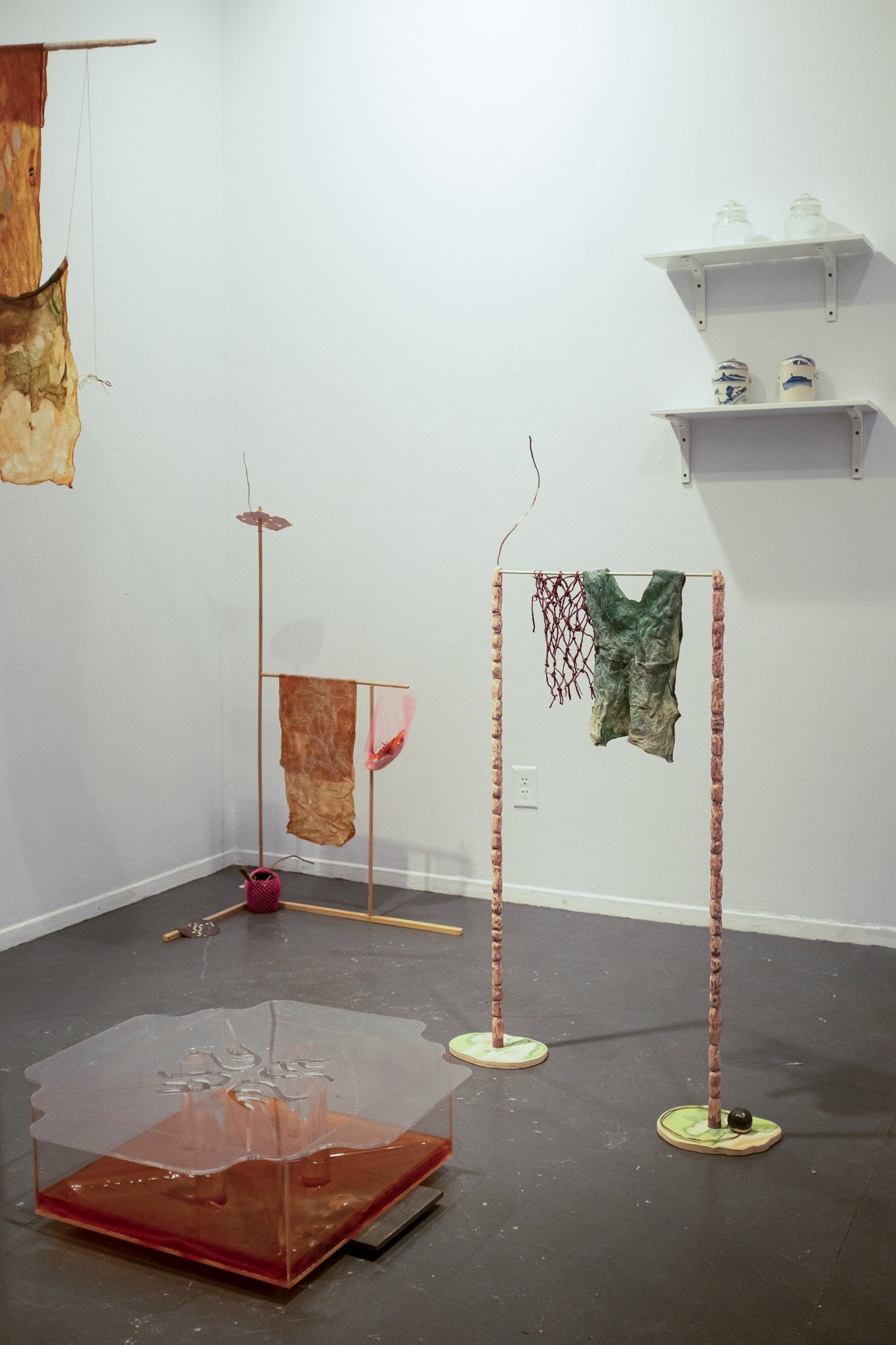
Exhibitions
Whippersnapper often provides artists with their first solo exhibition in an artist-run centre. See who’s been in our space.

Special Projects
Workshops. Reading groups. Performance series. Public interventions. Research. Publications.
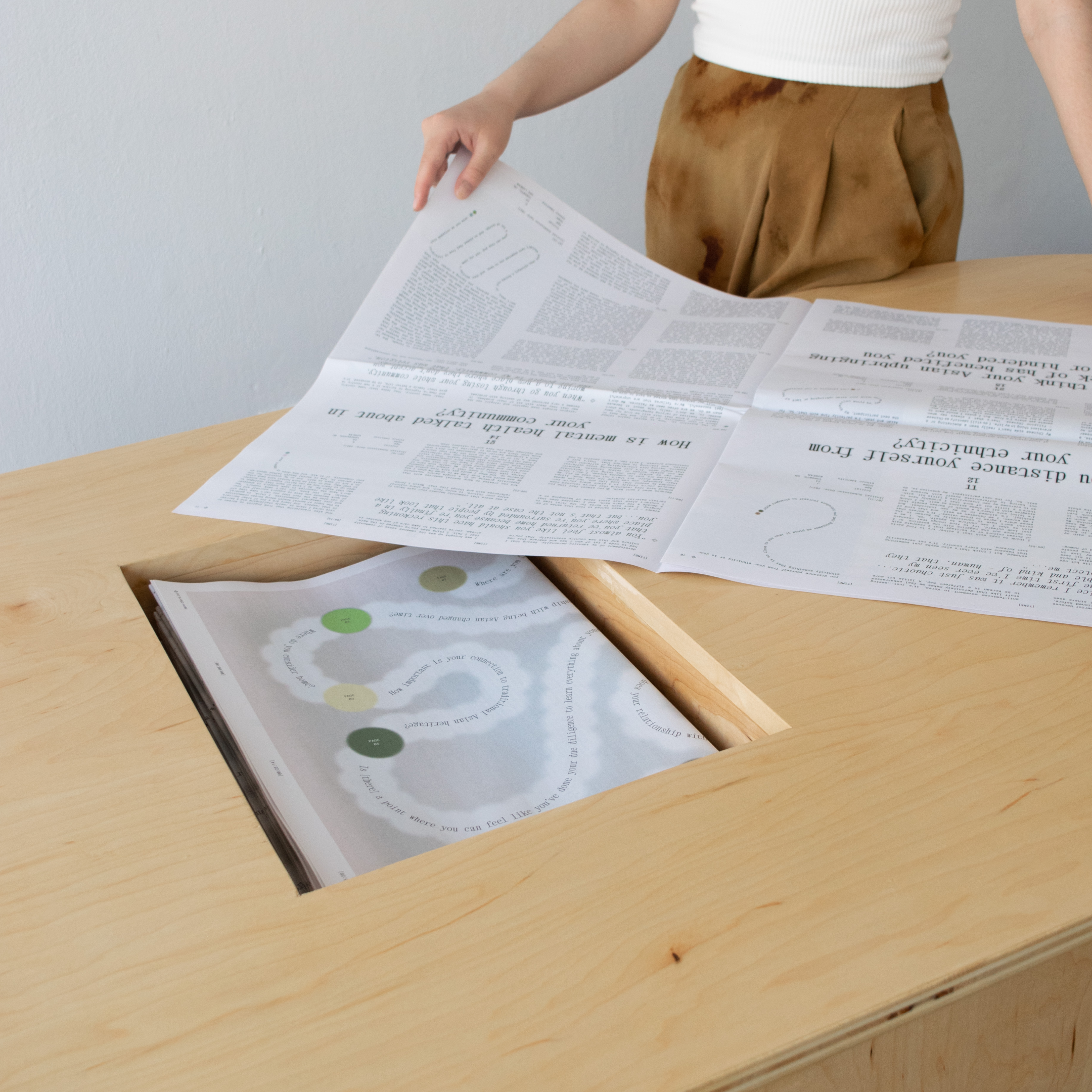
Features
Artist interviews. Highlights. Digital Programming and videos.

Praise for our mentorship program:
Petrina Ng, GENDAI Collective
“It is very rare to see an art gallery invest in long-term relationship building with emerging artists and external arts workers, moving away from transactional approaches that can be tokenistic and superficial.”
Erin Howley, Pervious PEERS participant